I walked out of the doctor’s office through the hospital corridor in a daze. While lost in thought over the painful examination, new treatment options, and the mention of another surgery, I walked right past the elevator.
That’s when I found myself peering into an occupied hospital room. I could hear the television drifting from the doorway. Drew Carey was announcing the spectacular prizes in the Showcase Showdown. I could see the bump of sock-covered feet beneath warm blankets. A food tray pulled close enough to reach the cup of ice water.
I stood frozen, overcome by the urge to crawl into that empty bed next to the window.
I yearned to shut the door to the world, drink apple juice with tiny ice crystals, and have someone remind me to rest. Just rest.
The longing hit me so hard, I felt ashamed.
That’s when the inner critic pounced.
“What is wrong with you? Normal people dream of tropical getaways not hospital stays!“
But beneath the shame was something truer:
I was exhausted.
Not just physically, but also emotionally. Spiritually. Mentally.
At the time, I was carrying the invisible weight so many women carry without question: caregiving, deadlines, emotional labor, decision fatigue, worry about the people I loved, worry about the state of the world, and the relentless pressure to keep functioning no matter how depleted I felt inside.
In thirty minutes, the school bus would drop off Avery. I still needed to figure out dinner, pick up medication, answer emails, prepare for a speaking engagement, mail out a sympathy card, and schedule Banjo’s vet appointment.
Somewhere underneath all those responsibilities was a weary human quietly longing for care.
Years ago, I might have judged myself for that longing.
Now I understand it differently.
That moment outside the hospital room wasn’t weakness; it was unmet needs.
And strangely enough, a crumpled dollar bill in my purse helped me understand that.
I had made my way to the parking garage and was rummaging around my purse for cash to pay for parking. That’s when I found the crumpled dollar bill wadded up so tightly it was barely recognizable.
Suddenly, I was transported back to the summer I was nineteen, when I spent my days caring for toddlers with solemn expressions and perpetually runny noses and my nights searching for acceptance and belonging in all the wrong places.
One afternoon, a daycare co-worker named Miss Faith asked if I could drive her home after work. As much as I wanted to get home and crawl into bed, I said yes.
Miss Faith worked in the kitchen preparing meals for the children and staff. She had silver hair, arthritic hands, and a gentleness that made people feel safe almost instantly.
During the drive, she shared pieces of her life with me: a forty-seven-year marriage, the grief of losing her husband, and the responsibility of caring for her aging mother.
“But even when it’s bad, there’s still good,” Miss Faith said cheerfully. “No matter how achy or tired I feel, I’m grateful I get to put nourishing food into those babies’ bellies.”
When we arrived at her tiny house with bars on the windows, she opened her purse and handed me a crumpled dollar bill.
“I’ve asked others for rides,” she admitted softly, “but I quickly began to feel like an inconvenience.”
The next day, I offered to drive her home again. Soon it became our rhythm.
Miss Faith couldn’t give me a dollar every day that summer, but she gave me something far more valuable: perspective, compassion, and grace.
One afternoon when I dropped Faith off, she told me I was a “wonderful young lady”.
“I don’t feel like it,” I confessed, unexpectedly vulnerable with my unconventional friend. “I feel like a mess. I keep making bad choices, and I wonder if I’ll ever do anything with my life that actually matters.”
Faith leaned into the open car window. “You come to the daycare each morning at 7:30am to love on vulnerable babies, and you drive an old lady home, and you are kind. You are doing just fine.”
That moment marked a turning point in my Summer of Shame and offered a glimpse of grace.
“Even when it’s bad, there’s still good,” Miss Faith had told me, and for the first time, I began to wonder if that goodness might exist beneath my shame too.
Years later, I think about both versions of myself often: the nineteen-year-old desperate to feel worthy and the overwhelmed mother longing for permission to rest in a hospital bed.
Neither woman was weak.
Neither woman needed shame.
Both women had needs they didn’t yet know how to honor.
I think many of us reach adulthood fluent in responsibility but disconnected from our own humanity. We notice everyone else’s hunger, exhaustion, discomfort, and overwhelm while dismissing our own.
And eventually, our unmet needs begin speaking through anxiety, resentment, numbness, over-functioning, or fantasies of escape.
Sometimes they whisper.
Sometimes they scream.
Avery is now the same age I was that pivotal summer. As I watch her prepare for her counselor position at a summer camp for children with cancer, I notice how instinctively she pays attention to what she needs.
When she feels overwhelmed, she rests. When she needs quiet, she gives herself alone time. When something feels off in her body or spirit, she notices instead of immediately pushing through.
Watching Avery has made me realize how many years I treated my own needs like inconveniences instead of important information.
Lately, I’ve been thinking about how healing it is when we finally stop judging those signals and start listening to them with compassion instead.
Perhaps the goal is not to become someone who never struggles.
Perhaps the goal is to become someone who no longer abandons herself in the struggle.
My hand in yours,
Rachel
If your needs have been whispering (or screaming)…
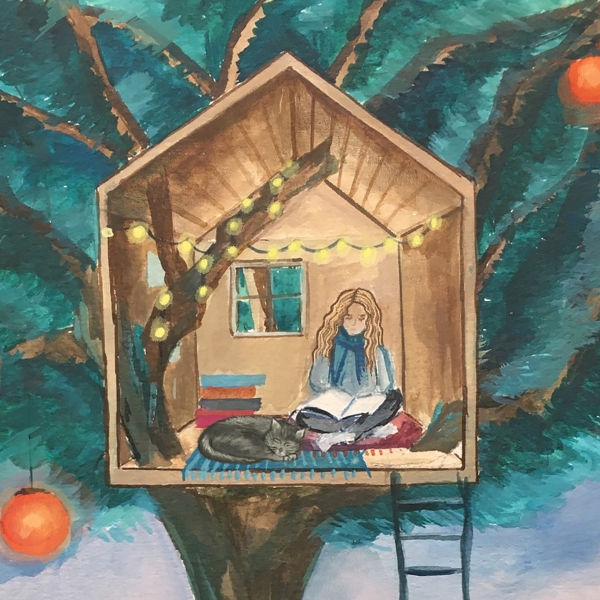
Part journal, part gathering place, Rachel’s Treehouse is where I help weary humans move through hard seasons with compassion, reconnect with their dreamer within, and remember they are not alone.
Through personal essays, monthly teaching and reflection gatherings, guided practices, and honest conversations, we gently explore what it means to care for ourselves and one another in more healing, connected ways.
If this essay resonated with you, and you’ve been wondering what your own exhaustion, resentment, numbness, control, or longing might be trying to tell you, I’d love to invite you into this month’s Treehouse Gathering.
Join me this Sunday, May 31st at 7pm Eastern for my monthly Treehouse Teaching & Reflection via Zoom (recording sent the following day).
Together, we’ll explore the unmet needs that often live beneath over-functioning, overwhelm, and self-abandonment. Using a guided needs inventory, reflective prompts, and supportive tools I share in my retreats and teachings, participants will identify at least one neglected need and create a compassionate plan for tending to it in the days ahead.
We’ll also explore ways to communicate our needs without guilt, over explaining, or abandoning ourselves in the process.
My monthly teaching sessions are part of the full community experience of Rachel’s Treehouse on Substack for $5/month or $3.75/month with an annual subscription. The Zoom link will be sent to your email inbox before the gathering. You can choose your subscription tier by clicking here.
What people are saying…